


The Small Business Owner's Guide to HR Consulting in 2026
Running a small business means wearing a dozen hats before lunch. You're the visionary, the accountant, the customer service rep, and somewhere in between, you're expected to navigate the complex world of human resources. Employment laws shift, benefits packages evolve, and keeping your team happy becomes harder every year.
Here's the reality: most small businesses don't have the budget for a full-time HR department. But in 2026, that doesn't mean you have to figure it all out alone. HR consulting has emerged as a strategic lifeline for small business owners who want expert guidance without the overhead of a dedicated team.
This guide breaks down everything you need to know about HR consulting in 2026: what it covers, why it matters, and how to decide if it's the right move for your business.
What Is HR Consulting (And Why Should You Care)?
HR consulting provides small businesses with access to professional human resources expertise on a flexible, as-needed basis. Instead of hiring a full-time HR manager (which can cost upwards of $70,000 annually plus benefits), you tap into specialized knowledge for payroll, compliance, employee benefits, recruitment, and workplace culture.
Think of it as having a seasoned HR director on speed dial: without the full-time salary.
For a 50-employee company, outsourcing HR services can save approximately $94,000 per year. That's not pocket change. It's capital you can reinvest into growth, marketing, or improving your product.

The Core HR Functions Every Small Business Needs in 2026
Whether you handle HR internally or work with a consultant, these are the foundational areas that demand attention this year:
Recruitment and Retention
Finding good people is hard. Keeping them is harder. Strategic hiring means anticipating your growth trajectory, defining roles clearly, and targeting candidates who align with your company culture. A reactive "we need someone yesterday" approach leads to bad hires and expensive turnover.
HR consultants help you build recruitment frameworks that attract the right talent from the start: and retention strategies that keep them engaged long-term.
Compensation and Benefits
Your benefits package is more than health insurance. It's a competitive advantage. In 2026, employees expect comprehensive offerings that include retirement plans, mental health support, and flexible work arrangements.
Working with an employee benefits consultant ensures you're offering packages that compete with larger companies while staying within budget.
Compliance
Employment law doesn't stand still. Federal, state, and local regulations change constantly, and violations can result in costly fines or lawsuits. Areas like wage and hour laws, workplace safety, anti-discrimination policies, and leave requirements all require ongoing attention.
An HR consultant keeps you current on regulatory changes so you're not blindsided by a compliance issue you didn't know existed.
Employee Engagement and Culture
A strong workplace culture isn't a "nice to have": it's a business necessity. Engaged employees are more productive, take fewer sick days, and stay with companies longer. Building that culture requires intentional effort: regular feedback mechanisms, recognition programs, and clear communication channels.
Training and Development
Your best employees want to grow. If they don't see a path forward at your company, they'll find one elsewhere. Investing in training and development programs shows your team that you're invested in their future: not just their current output.
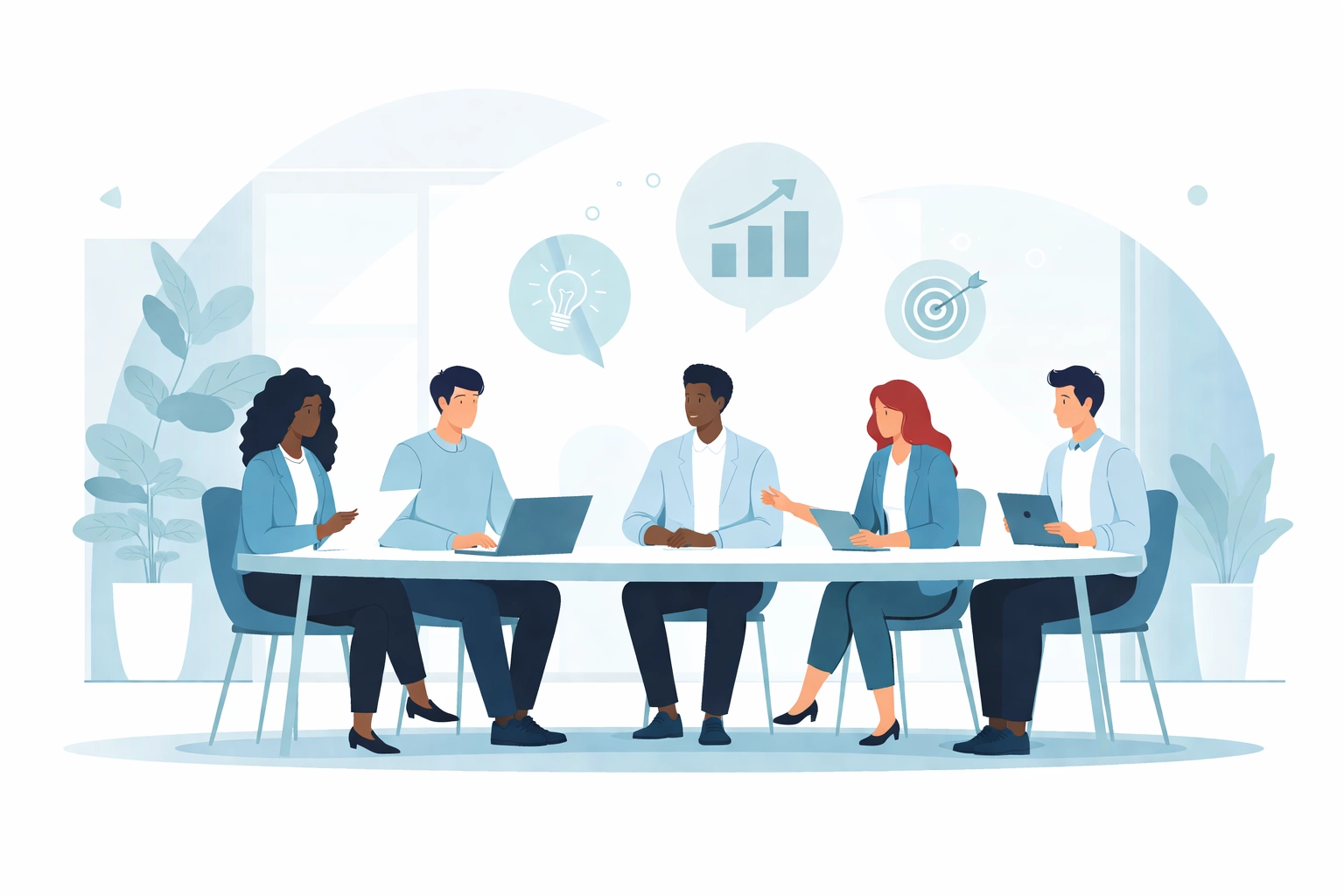
Key HR Consulting Services Available to Small Businesses
Modern HR consulting firms offer a wide range of services tailored to small business needs. Here's what you can expect:
Strategic Planning and Leadership Development
Consultants help you clarify your company vision and translate it into actionable HR strategies. This includes business coaching, leadership training, and succession planning. If you're grooming future managers from within your ranks, this guidance is invaluable.
Talent Consulting
This umbrella covers performance management systems, employee retention strategies, workforce planning, and compensation benchmarking. A consultant can analyze your current workforce and identify gaps before they become problems.
Technology Implementation
HR technology has come a long way. Automated payroll systems, applicant tracking software, and performance management platforms can save hours of manual work each week. But choosing the right tools: and implementing them correctly: requires expertise. Consultants evaluate your needs and recommend systems that actually fit your workflow.
Scalability Support
Planning to grow? Your HR infrastructure needs to scale with you. Professional Employer Organization (PEO) partnerships and integrated HR technology make it possible to add employees without drowning in administrative complexity.
Skills-based workforce planning is replacing rigid job descriptions in 2026. This shift requires more agile HR strategies that consultants are well-equipped to implement.
2026 HR Priorities You Can't Afford to Ignore
The HR landscape continues to evolve. Here are the priorities that should be on every small business owner's radar this year:
1. Invest in Compliance
Regulatory enforcement is increasing across the board. The cost of non-compliance: fines, lawsuits, reputation damage: far exceeds the cost of getting it right the first time. Make compliance a proactive priority, not a reactive scramble.
2. Build a Strong Onboarding Experience
First impressions matter. A comprehensive onboarding process sets new hires up for success and reduces early turnover. This goes beyond paperwork: it includes role clarity, cultural integration, and clear performance expectations.
3. Prioritize Employee Engagement
Disengaged employees cost you money through reduced productivity and increased turnover. Regular check-ins, feedback loops, and recognition programs keep your team invested in their work.
4. Plan Strategic Hiring
Don't wait until you're desperate to start recruiting. Anticipate your hiring needs based on growth projections and begin building candidate pipelines before positions open.
5. Leverage Technology
If you're still managing HR tasks with spreadsheets and sticky notes, 2026 is the year to upgrade. Automation reduces errors, improves compliance tracking, and frees up your time for higher-value work.

Practical Steps to Get Started with HR Consulting
Ready to explore HR consulting for your business? Here's how to begin:
Assess Your Specific Needs
Not every business needs the same level of support. Consider your company size, growth trajectory, industry regulations, and current pain points. Are you struggling with payroll? Compliance? Retention? Identifying your priorities helps you find the right consulting partner.
Create an Employee Handbook
Even if you only have a handful of employees, a handbook clarifies expectations, policies, and procedures. It protects you legally and gives employees a reference point for common questions. If you don't have one, this is a great starting project for an HR consultant.
Develop Clear Job Descriptions
Vague job descriptions lead to confusion, scope creep, and performance issues. Clear, detailed descriptions help employees understand their responsibilities and make it easier for you to evaluate performance objectively.
Consider a Hybrid Approach
You don't have to choose between doing everything yourself and fully outsourcing. Many small businesses combine limited in-house HR capacity with consulting support for specialized needs like benefits administration or compliance audits.
When Should You Hire an HR Consultant?
Not sure if now is the right time? Consider consulting if:
You're spending more than 10 hours per week on HR tasks
You've received a compliance complaint or audit notice
Employee turnover is higher than you'd like
You're planning significant growth in the next 12 months
Your benefits package hasn't been reviewed in over a year
You're unsure whether your policies meet current legal requirements
If any of these apply, a consultation can help you identify gaps and create a plan to address them.
The Bottom Line
HR consulting isn't just for big corporations with deep pockets. In 2026, it's one of the smartest investments a small business owner can make. You get expert guidance on complex issues, stay compliant with evolving regulations, and build a workplace culture that attracts and retains top talent: all without the overhead of a full-time HR department.
The businesses that thrive this year will be the ones that treat human resources as a strategic function, not an afterthought. Whether you need help with employee benefits, HR strategy, or comprehensive consulting support, the right partner can make all the difference.
Ready to take the next step? Book a consultation with our team to discuss your specific needs and explore how HR consulting can support your business goals in 2026.
Comments