


7 Mistakes Small Business Owners Are Making with Employee Benefits in 2025 (and How to Fix Them)
Employee benefits can make or break your ability to attract and retain top talent. Yet many small business owners are unknowingly making costly mistakes that undermine their efforts. As we move through 2025, these missteps are becoming more expensive and harder to recover from.
Let's dive into the seven most common employee benefits mistakes we're seeing: and more importantly, how to fix them before they impact your bottom line.
1. Forgetting to Offer a Retirement Plan
The Mistake: Many business owners get caught up in day-to-day operations and completely overlook retirement planning requirements. Some states now mandate retirement programs for businesses that don't offer their own plans.
Why It Matters: Failing to comply can result in fines for every affected employee, plus thousands of dollars in annual IRS fees. Beyond compliance, you're missing a major opportunity to attract quality employees who prioritize long-term financial security.
The Fix: Check your state's retirement plan requirements immediately. Consider offering a 401(k) plan through a reputable provider rather than relying on state-sponsored options. These typically offer better fund choices, seamless payroll integration, and user-friendly interfaces that employees actually appreciate.

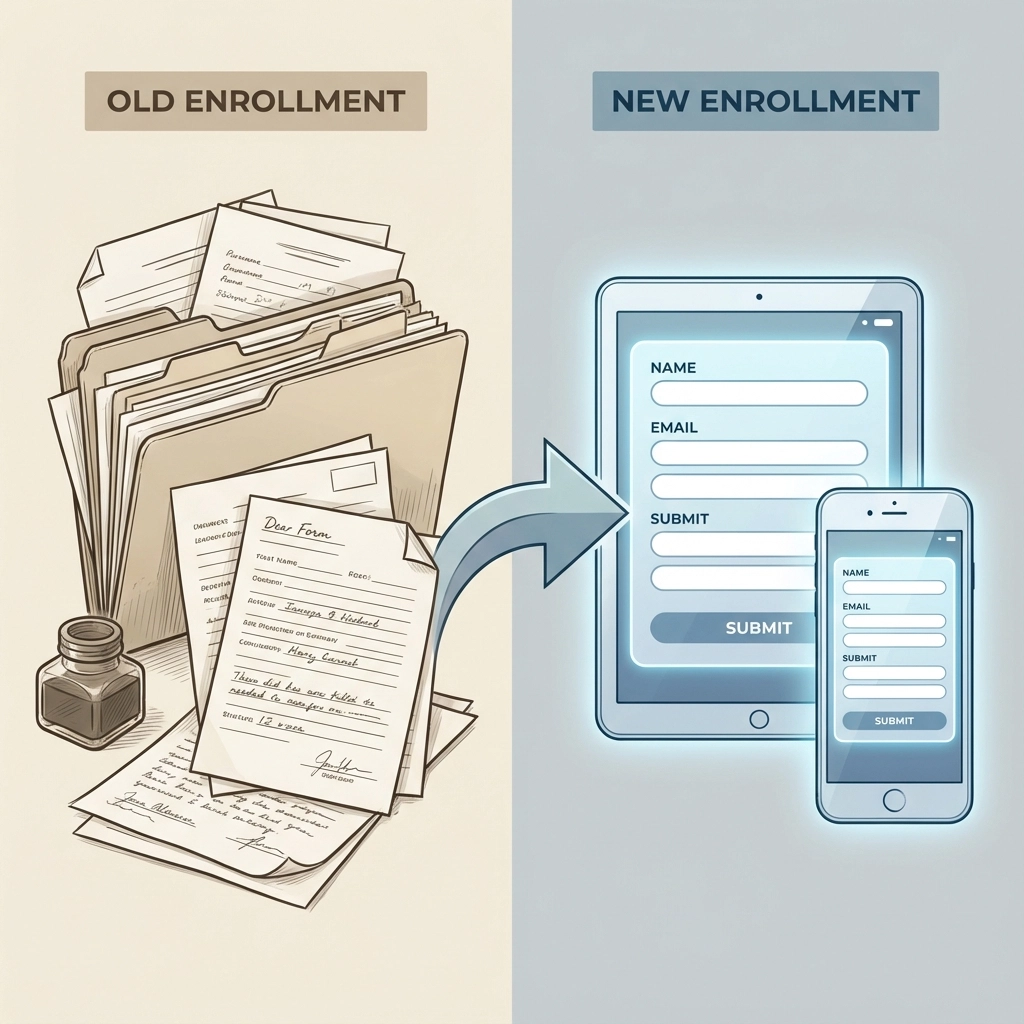
2. Using Paper Applications for Enrollment
The Mistake: Sticking with manual, paper-based enrollment processes creates a minefield of human errors. Incomplete or incorrect information: like wrong birthdates, Social Security numbers, or addresses: causes insurance carriers to reject applications.
Why It Matters: These rejections delay employee coverage, create administrative headaches, and can leave you scrambling during open enrollment periods. Plus, the time spent fixing errors costs you money.
The Fix: Implement a digital benefits administration system that allows employees to enroll online. These platforms automate payroll deductions, reduce errors, and give you real-time visibility into enrollment status. The upfront investment pays for itself in reduced administrative burden.
3. Not Leveraging Free Resources from Insurance Brokers
The Mistake: Many business owners view their insurance broker as just a policy salesperson, missing out on valuable strategic consultation that's often included in their services.
Why It Matters: You're leaving money on the table and potentially offering a less competitive benefits package than you could with professional guidance.
The Fix: Schedule regular strategy sessions with your broker to review your total rewards package. Ask for competitive analysis, employee survey insights, and creative approaches to maximize your benefits budget. Most brokers offer these consultations at no additional cost: use them.
4. Overlooking Financial Health Benefits
The Mistake: While businesses pour resources into physical health benefits, they often ignore financial wellness programs despite clear evidence that financial stress drives employee turnover and reduces productivity.
Why It Matters: Employees dealing with financial stress are less engaged, more likely to leave, and cost more in healthcare utilization. Financial wellness is becoming as important as physical health to today's workforce.
The Fix: Incorporate financial health programs into your benefits package. This could include flexible spending accounts, financial planning resources, student loan assistance, or emergency savings programs. These benefits often cost less than traditional health perks but deliver significant value.
5. Treating Core Health Benefits as Differentiators
The Mistake: Many employers still think robust medical, dental, and vision coverage will set them apart from competitors. Today's employees view these as baseline expectations, not competitive advantages.
Why It Matters: You might be overspending on "table stakes" benefits while missing opportunities to truly differentiate your company in ways that matter to employees.
The Fix: Maintain competitive core health coverage, but don't expect it to drive retention alone. Focus your differentiation efforts on emerging benefit areas like flexible work arrangements, professional development stipends, wellness programs, or unique perks that reinforce your company culture.
6. Missing Compliance Deadlines
The Mistake: Treating benefit compliance deadlines as suggestions rather than hard requirements. Whether it's new-hire reporting, payroll tax submissions, or benefit filings, delays have serious consequences.
Why It Matters: The average cost of non-compliance for small businesses is approximately $14.82 million: a figure that's risen 45% over the past decade. Even small oversights can trigger audits and penalties.
The Fix: Set up automated reminders for all compliance deadlines or partner with a professional HR and benefits administration provider. The cost of professional help is minimal compared to potential penalties. Consider working with DATC Consulting Group to ensure you never miss critical deadlines.

7. Focusing on Perks Over Substantive Benefits
The Mistake: Emphasizing lifestyle perks like free snacks, casual dress codes, or ping-pong tables while employees are actually prioritizing meaningful, high-impact benefits that affect their financial security and well-being.
Why It Matters: Surface-level perks might create initial excitement, but they don't drive long-term retention or help employees with real life challenges. You're spending money on benefits that don't deliver ROI.
The Fix: Get creative with substantive, cost-effective options. For businesses under 50 employees, consider Minimum Essential Coverage (MEC) plans, health savings accounts, or targeted wellness programs. Focus on benefits that solve real problems for your specific workforce.
The Path Forward
Fixing these mistakes doesn't require a complete benefits overhaul: often, small adjustments can yield significant improvements in employee satisfaction and retention while controlling costs.
Start by auditing your current benefits program against this checklist. Identify which mistakes apply to your business and prioritize fixes based on compliance requirements first, then employee impact.
Remember, employee benefits aren't just an expense: they're an investment in your company's future. When done right, they become a powerful tool for attracting talent, boosting productivity, and building a strong company culture.
If you're feeling overwhelmed by the complexity of benefits administration or compliance requirements, you don't have to navigate this alone. Professional guidance can help you avoid these costly mistakes while building a benefits program that truly serves your business goals.
Ready to transform your employee benefits strategy? Contact DATC Consulting Group to discuss how we can help you create a benefits program that works for both your employees and your bottom line.
Comments