


Do You Really Need a PEO? Here's the Truth for Small Business Owners
If you've been running a small business for any length of time, you've probably heard someone mention PEOs. Maybe a fellow business owner swears by theirs. Maybe your accountant suggested looking into one. Or maybe you stumbled across the term while frantically Googling "how to handle payroll without losing my mind."
Either way, you're here because you want the real deal, not a sales pitch. So let's break down what a PEO actually is, when it makes sense, and when it might not be the right fit for your business.
What Exactly Is a PEO?
PEO stands for Professional Employer Organization. In plain English? It's a company that handles a bunch of your HR, payroll, benefits, and compliance headaches so you don't have to.
Here's how it works: When you partner with a PEO, you enter into what's called a "co-employment" relationship. Don't let that term freak you out, it basically means the PEO becomes the employer of record for tax and benefits purposes, while you still maintain full control over your employees' day-to-day work, hiring, firing, and everything else that actually matters to running your business.
Think of it like having an HR department on speed dial, minus the cost of actually building one in-house.

The Pros: Why Small Business Owners Love PEOs
Let's start with the good stuff. There are some seriously compelling reasons why over 175,000 small and mid-sized businesses in the U.S. use PEOs.
1. Access to Better Benefits (Without the Fortune 500 Budget)
This is the big one. As a small business owner, you're competing for talent against companies that can offer killer health insurance, retirement plans, and all those shiny perks employees love. On your own, negotiating with insurance companies can feel like showing up to a gunfight with a water pistol.
PEOs pool thousands of employees together, which gives them serious bargaining power. That means you can offer health insurance, dental, vision, 401(k) plans, and other benefits at rates you'd never get solo. Your employees get better coverage, and you get to actually compete for top talent.
2. Compliance Peace of Mind
Employment law is a maze. Federal regulations, state laws, local ordinances, and they're all constantly changing. One wrong move with the Affordable Care Act, overtime rules, or employee classification, and you could be looking at fines, lawsuits, or worse.
PEOs employ compliance experts whose entire job is keeping up with this stuff. They help you stay on the right side of the law, which means fewer sleepless nights wondering if you accidentally violated some obscure regulation.
3. Time Back in Your Day
Be honest: How many hours a week do you spend on payroll, benefits administration, workers' comp claims, and other HR tasks? For most small business owners, it's way more than they'd like to admit.
When you hand those tasks off to a PEO, you get that time back. And time is money, right? More importantly, it's mental bandwidth you can redirect toward actually growing your business.
4. The Numbers Don't Lie
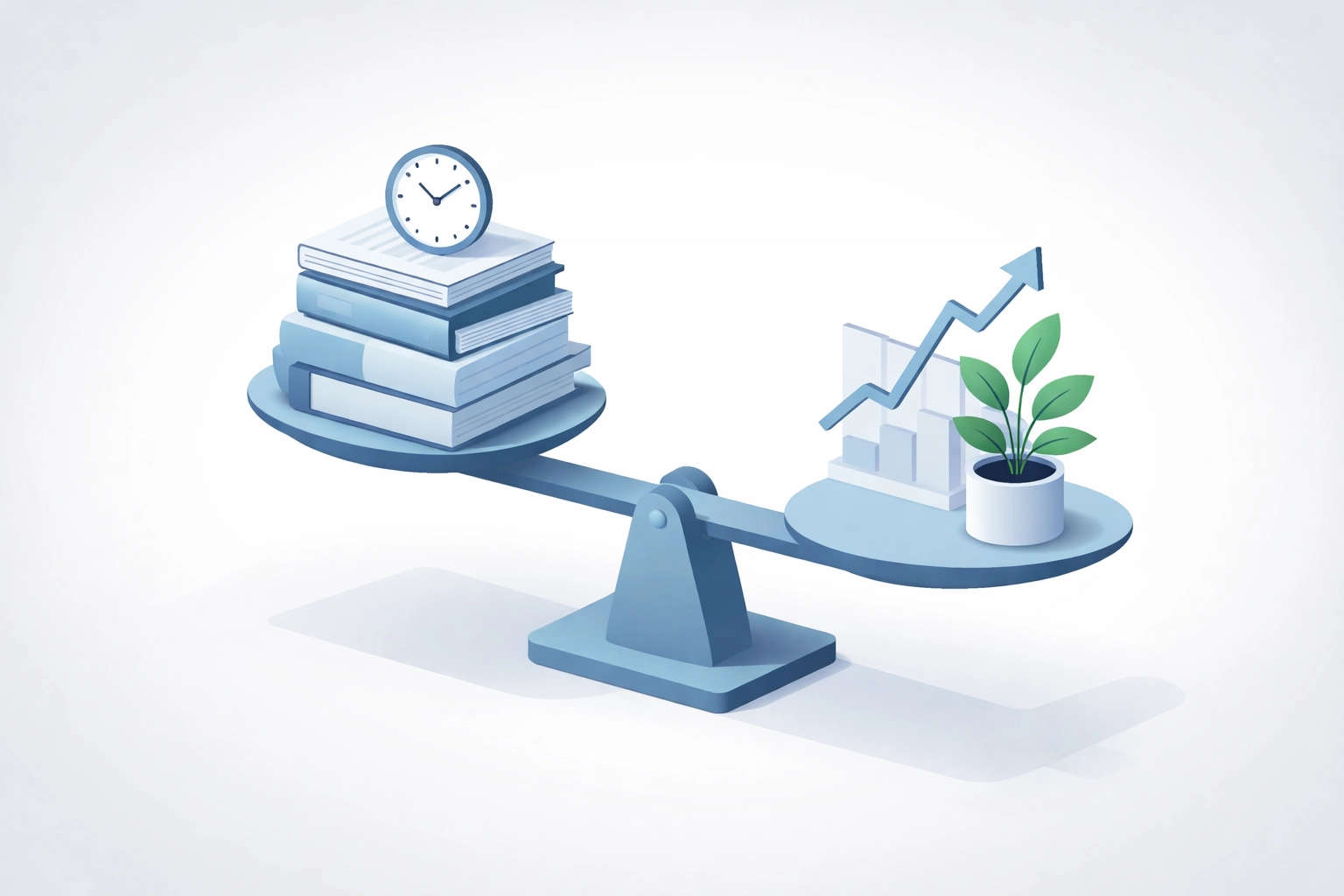
Here's where it gets interesting. According to industry research, businesses that use PEOs:
Grow two times faster than those that don't
Are 50% less likely to go out of business
Experience 20% lower employee turnover
See an average annual ROI of 27.2% (roughly $2,000 in savings per employee)
Those aren't small numbers. For a business with 20 employees, that's potentially $40,000 in annual savings. Not too shabby.
The Cons: When a PEO Might Not Be Your Best Move
Alright, let's pump the brakes for a second. PEOs aren't a magic solution for everyone. Here are some real drawbacks to consider.
1. Cost Considerations
PEOs charge fees: typically either a flat per-employee rate or a percentage of your total payroll. For some businesses, especially those with tight margins or very small teams, those costs might not pencil out.
Before signing anything, you need to do the math. Compare what you're currently spending on HR, payroll processing, benefits, and compliance against the PEO's fees. Sometimes it's a slam dunk. Sometimes it's not.
2. Less Control Over Certain Processes
When you outsource HR functions, you're giving up some control. The PEO will have their own systems, their own processes, and their own timelines. If you're someone who likes to have your finger on every pulse of your business, this can feel uncomfortable.
That said, most PEOs are pretty flexible and work with you to customize their approach. But it's still worth thinking about how much control you're willing to delegate.
3. Long-Term Commitments
Some PEOs require contracts that lock you in for a year or more. If your business situation changes: or if you're just not happy with the service: getting out can be a hassle.
Always read the fine print. Ask about cancellation terms, notice periods, and what happens to your benefits coverage if you decide to part ways.
4. The "Co-Employment" Factor
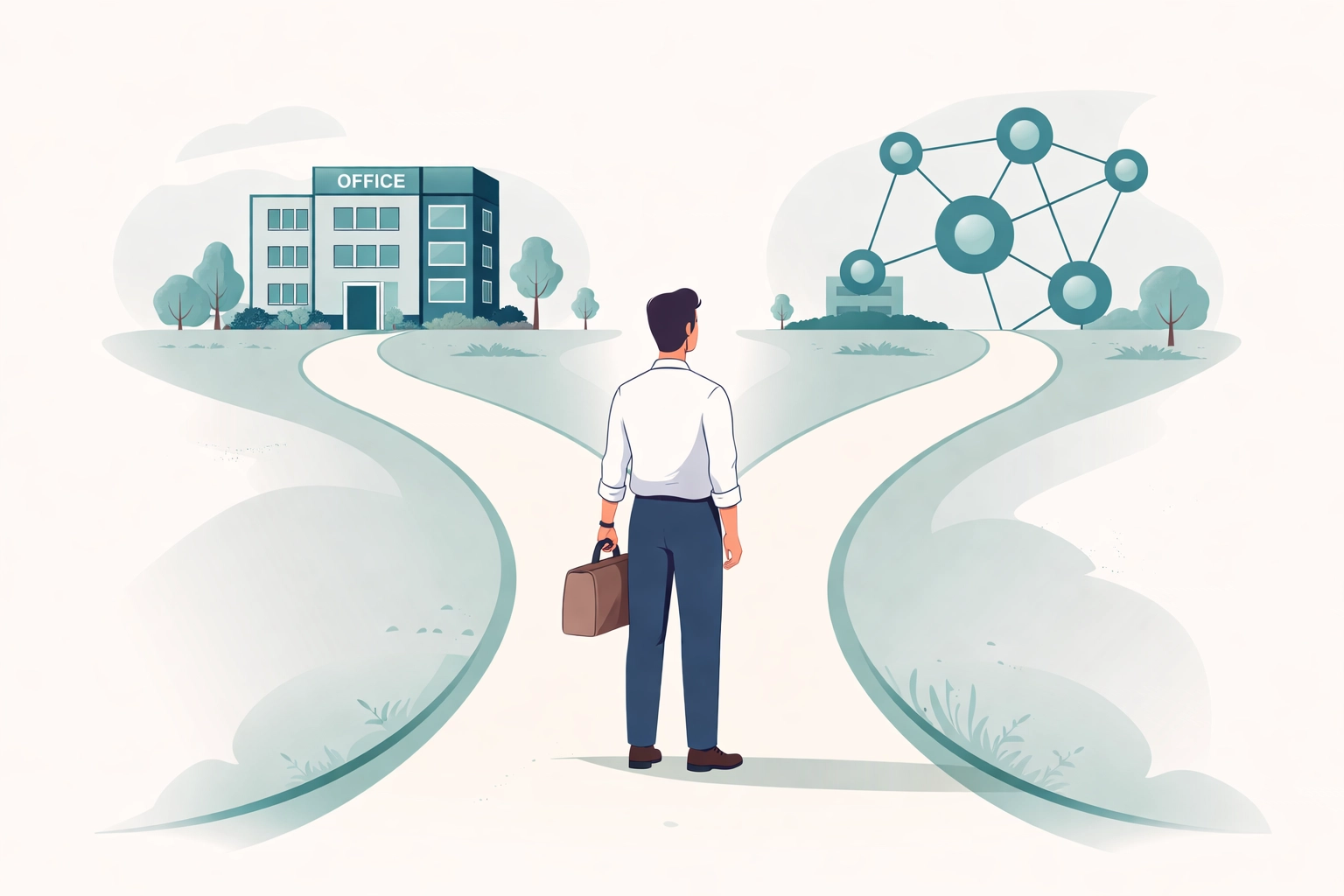
That co-employment relationship we talked about earlier? It can occasionally create confusion. Some employees might not love the idea of having another company listed as their employer on tax forms. And in rare cases, it can create complications with business licenses, contracts, or industry-specific regulations.
For most businesses, this isn't a big deal. But if you're in a heavily regulated industry, it's worth doing your homework first.
Signs You Might Need a PEO
Still on the fence? Here are some telltale signs that a PEO could be a game-changer for your business:
You're drowning in HR admin work and it's taking time away from strategic priorities
Compliance keeps you up at night: you're never quite sure if you're doing everything right
You're losing talent to competitors who offer better benefits packages
Your employee turnover is higher than you'd like, and you suspect benefits play a role
You don't have a dedicated HR person (or your "HR person" is also your office manager, accountant, and IT support)
You're planning to scale and need HR infrastructure that can grow with you
Signs You Might NOT Need a PEO
On the flip side, a PEO might not make sense if:
You have a very small team (under 5 employees) and simple HR needs
You already have solid HR infrastructure in place and things are running smoothly
Your industry has unique requirements that a generalist PEO can't address
You prefer total control over every aspect of your business operations
The math doesn't work for your specific situation
The Bottom Line: It's About Strategic Fit
Here's the truth that nobody wants to tell you: Whether or not you need a PEO depends entirely on your specific situation. There's no universal right answer.
What I can tell you is this: for small-to-mid-sized businesses lacking dedicated HR infrastructure, a PEO typically represents a worthwhile investment. The data backs that up. But "typically" doesn't mean "always."
The smartest thing you can do is sit down with someone who understands both HR consulting and your unique business needs. Get an objective assessment of where you're at, where you're trying to go, and whether a PEO: or some other strategic approach: makes the most sense.
At DATC Consulting Group, we help small business owners navigate exactly these kinds of decisions. We're not here to push you toward any particular solution. We're here to help you figure out what actually works for your business.
Ready to talk through your options?Book a consultation or reach out to our team to get started. And if you want to learn more about our HR consulting services, we've got you covered there too.
Whatever you decide, just make sure it's an informed decision. Your business deserves that much.
Comments